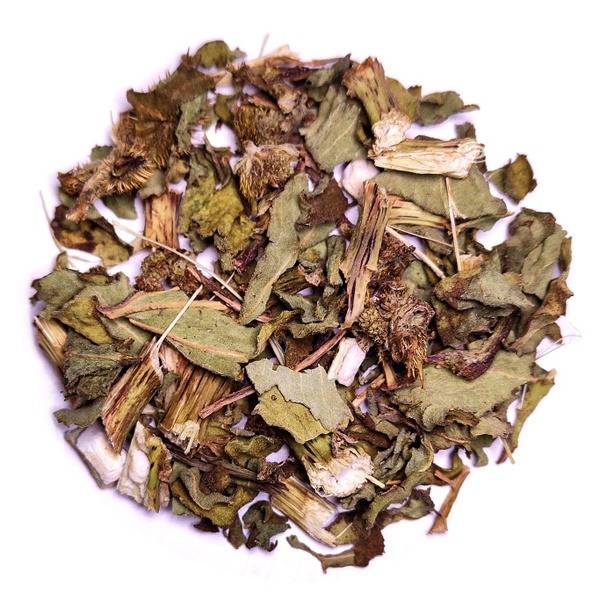
Description: Cocklebur (Xanthium strumarium L.) is a potent herb with a rich history of traditional medicinal applications. This annual plant, characterized by its coarse, hairy stem and distinctive burrs, boasts a chemical composition including iodine, alkaloids, and Vitamin C. While traditionally used for a wide range of ailments from skin conditions to respiratory issues, its use requires caution due to its toxic properties. Discover the potential benefits and traditional applications of cocklebur, and learn about its important uses in folk medicine.
Cocklebur, a robust annual plant reaching heights of 30-120 cm, is easily recognized by its gray-green, hairy stem and distinctive burr-like fruits. Its leaves are rounded with sharp, toothed lobes and a heart-shaped base, green on top and lighter green underneath. The plant's medicinal properties are derived from its leaves, stems, fruits, and roots.
While the complete chemical composition remains understudied, Cocklebur is known to contain a notable amount of iodine in its leaves, alongside alkaloids and approximately 31.8 mg% of Vitamin C. Its seeds contain fatty oils, resins, the glucoside xanthostrumarin, and iodine. Important Note: Cocklebur is a toxic plant and should be used with extreme caution.
Cocklebur has a long history of use in traditional medicine, exhibiting a variety of purported therapeutic actions including: antiseptic, anti-inflammatory, fungicidal, diaphoretic (induces sweating), analgesic (pain-relieving), antipyretic (fever-reducing), antispasmodic, and sedative effects.
Internal use of Cocklebur requires extreme caution due to its toxic nature and should only be undertaken under the strict supervision of a qualified healthcare professional.
A typical preparation involves steeping one tablespoon of dried herb in one cup of boiling water for 10 minutes, followed by a one-hour steeping period and straining. The recommended dosage is one to two tablespoons, four to five times a day, for conditions such as diarrhea, goiter, rheumatism, and skin diseases.
This information is for educational purposes only and should not be considered medical advice. Always consult with a qualified healthcare professional before using cocklebur or any other herbal remedy, especially if you are pregnant, breastfeeding, have pre-existing health conditions, or are taking other medications. Self-treating can be dangerous.

 US: temporary delays — postal services aligning new import rules,
  EU: 1–2 weeks, 🌍 Worldwide: 1–4 weeks ✈️