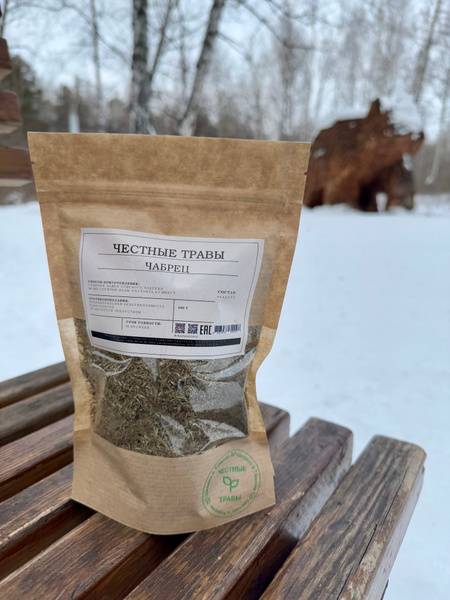
Thyme (Thymus vulgaris) is a culinary herb with a long history of medicinal use. Its potent properties make it a valuable remedy for various ailments, particularly respiratory and oral infections. Thyme's effectiveness stems from its rich concentration of bioactive compounds, including thymol and carvacrol, which contribute to its expectorant and antimicrobial actions.
Thyme is traditionally used in the treatment of respiratory infections, acting as a natural expectorant to help loosen and remove phlegm. This makes it beneficial for conditions such as:
The antimicrobial properties of thyme make it effective in combating oral bacteria. It can be used as a gargle or mouthwash to treat:
While thyme offers many potential benefits, it's crucial to remember that it's not a substitute for professional medical advice. Consult a healthcare provider before using thyme to treat any medical condition, especially if you are pregnant, breastfeeding, taking other medications, or have pre-existing health conditions. Always use thyme in moderation and follow recommended dosages. This information is for educational purposes only and should not be considered medical advice.






 US: temporary delays — postal services aligning new import rules,
  EU: 1–2 weeks, 🌍 Worldwide: 1–4 weeks ✈️